










Women’s Lunch Place History
Healing, Hope & Dignity: 1982 - Today
In the early 1980s, a sharp rise in homelessness was occurring in Boston and nationwide. Because the majority of individuals experiencing homelessness were men, growing numbers of women were entering a human services system that was ill-prepared to help them.
While a handful of agencies were open to women, beds were limited and daytime programming was rare. And, being open to women did not mean that available services felt safe. More than 90% of homeless women have experienced some form of domestic violence, sexual abuse, or exploitation perpetrated by male abusers. As a result, many women would choose to sleep on the streets rather than risk their safety in overcrowded, mixed-gender homeless shelters.
Bearing witness to the reality of women’s experiences, two young women decided to create the safety and support that women deserve.
Eileen Reilly was working in a mixed-gender homeless services agency, offering basic first aid and health support in concert with medical volunteers. She observed the devastating impact of homelessness and poverty on women’s physical and mental health.
Jane Alexander worked in the same homeless shelter, where she observed the indignities of navigating an over-burdened human services system. Too often, women’s unique needs were ignored.
Together, Jane and Eileen crafted a plan to create a safe place where women could find refuge, genuine care, and the type of community where healing can begin. With financial and volunteer support from their family, friends, and networks, they resolved to build a daytime women’s shelter fueled by the belief that dignity is everything.
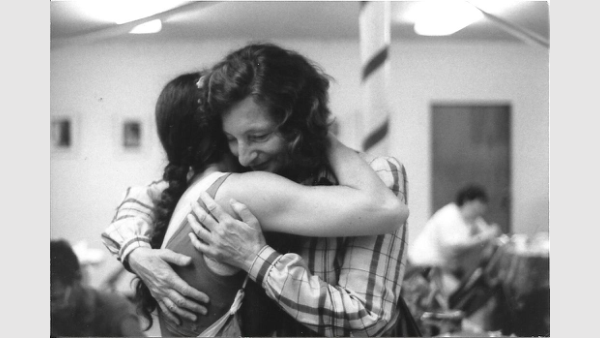
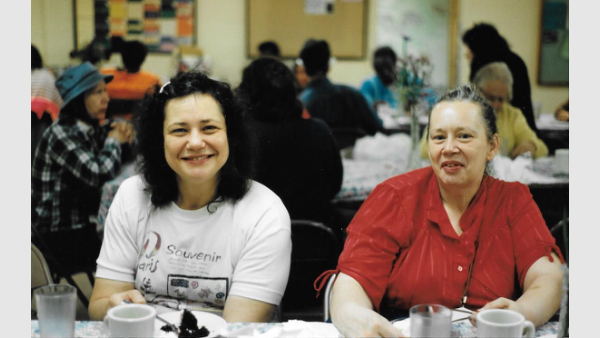
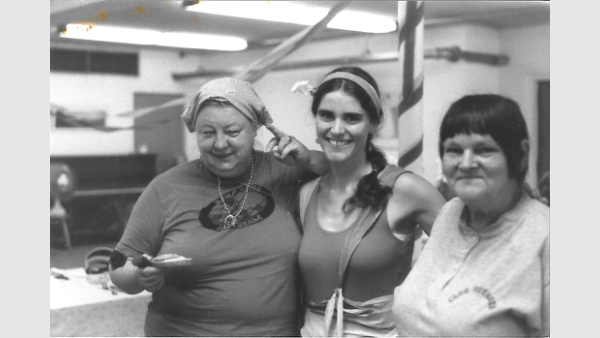
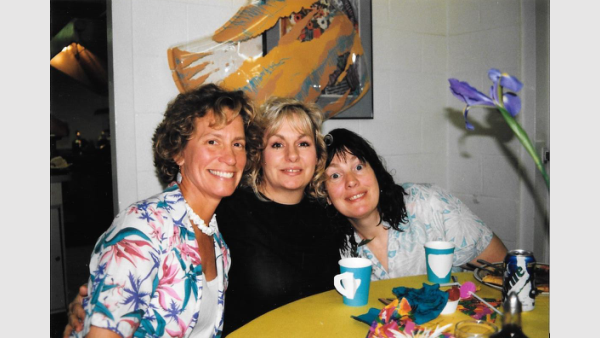
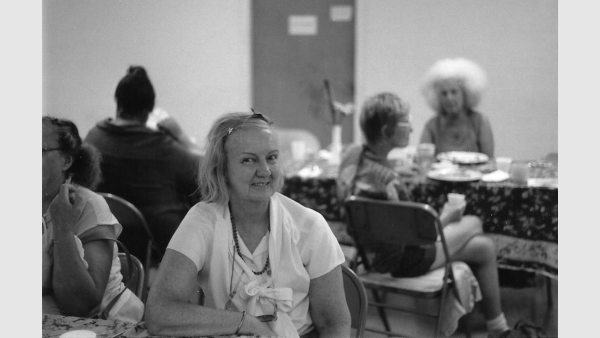
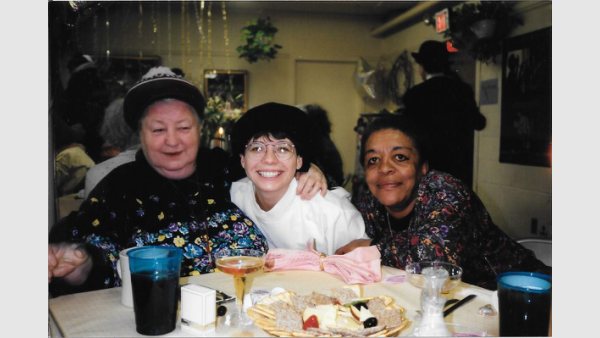
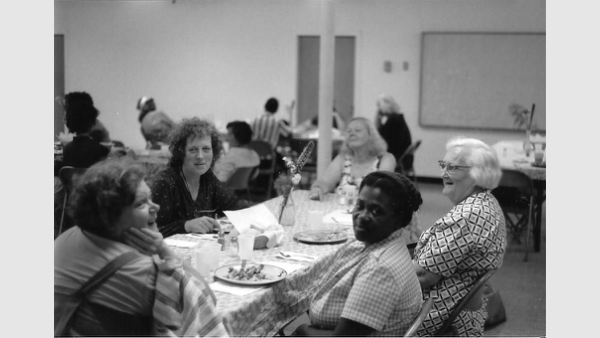
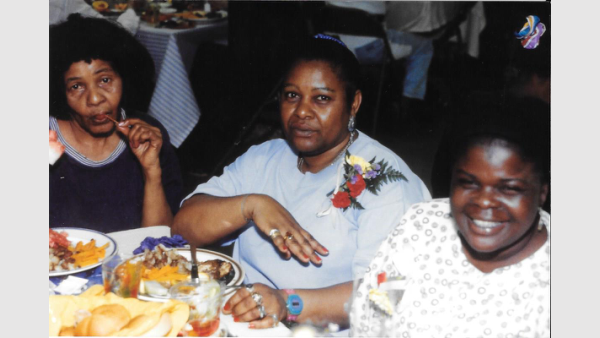
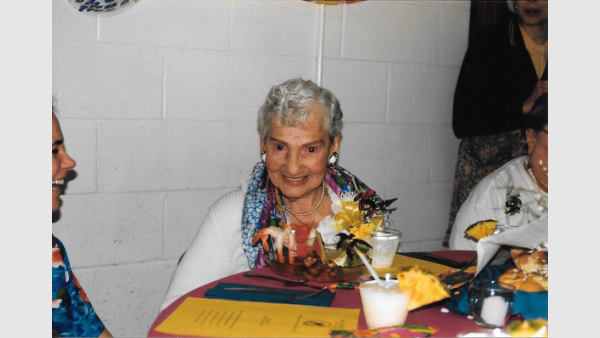
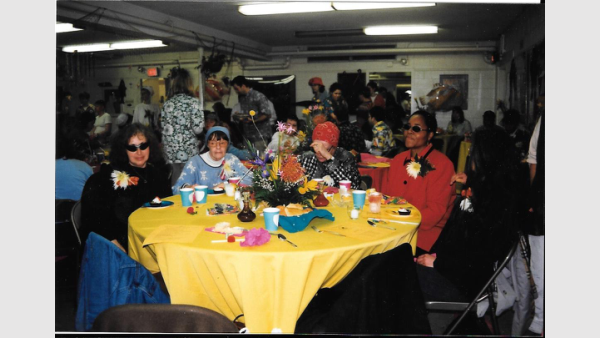
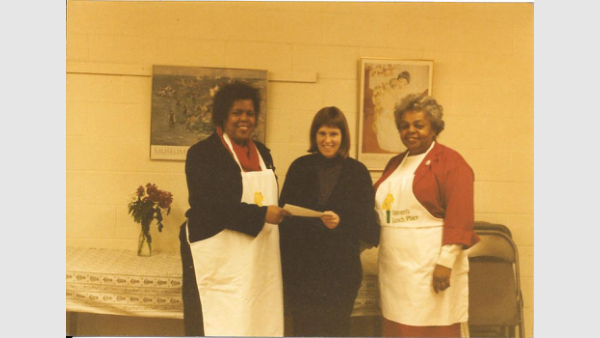
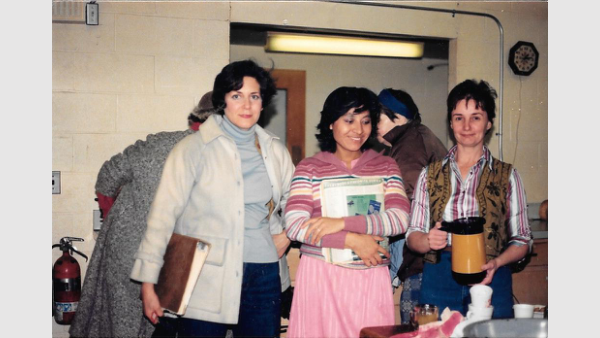
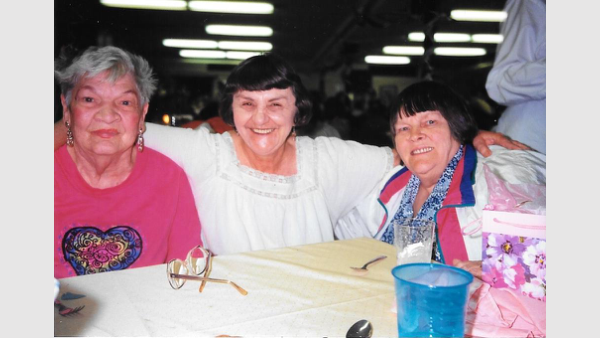
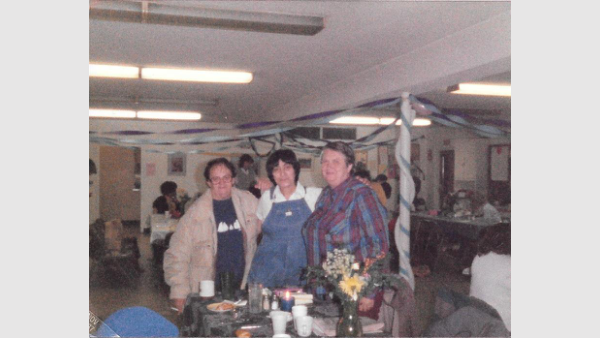
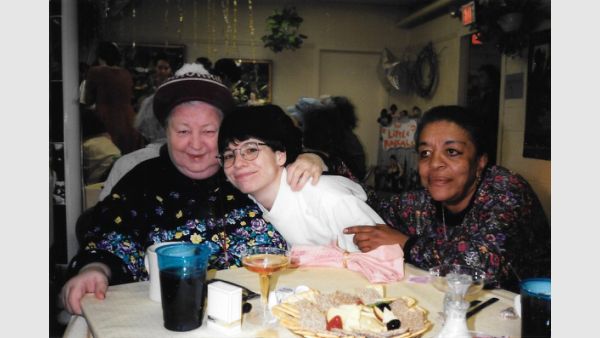
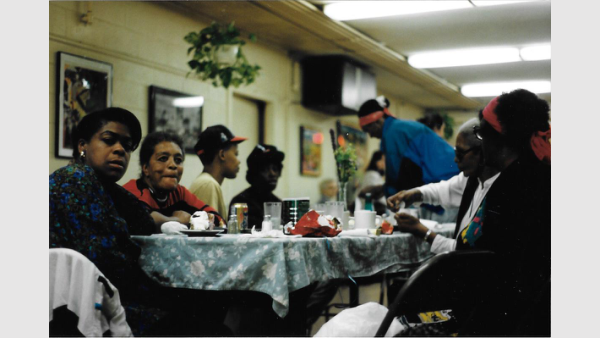
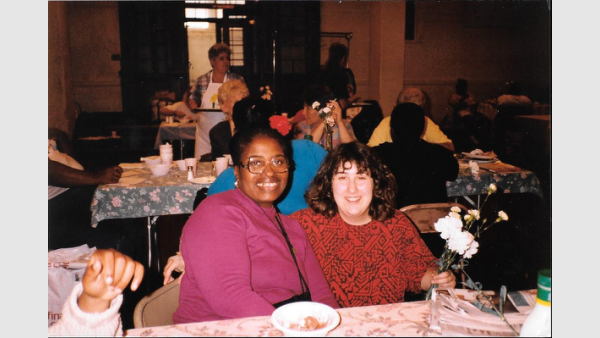
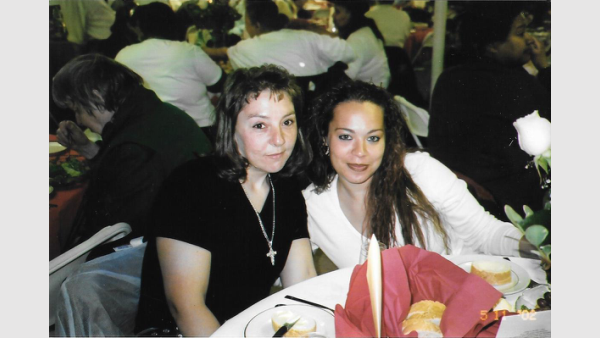
The two secured space in the basement of the Church of the Covenant in the Back Bay. On November 15, 1983, they welcomed eight women for lunch served on ceramic dinnerware at tables decorated with fresh flowers. Guests were offered a warm welcome, a hearty meal, and encouragement to return.
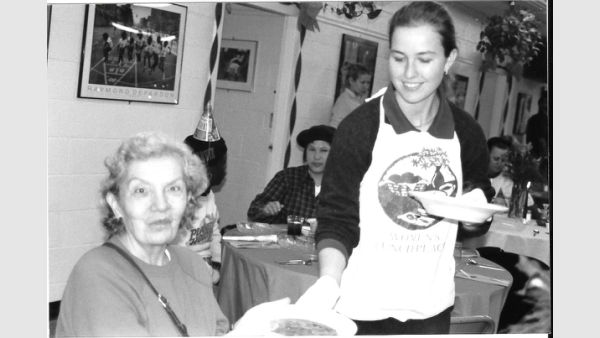
With Dignity as their guiding star, our founders defined a program philosophy that remains consistent to this day. Women would be welcomed into our shelter as valued guests. There would be no formal intake, no lines, and a more home-like environment.
Since that day, Women’s Lunch Place has continued to center the dignity of our guests across a range of programs that have grown over time. Although the challenges women confront have remained stubbornly persistent, Women’s Lunch Place has evolved to better meet their needs.
Today, Women's Lunch Place addresses hunger, homelessness, and poverty through innovative and integrated services that include individualized case management, housing and stabilization, healthcare, day shelter community, and healthy meals.
We remain unwavering in our belief that Dignity is Everything.
Milestones & Timeline
Highlights and key events in our journey to become the multifaceted organization that we are today:
1982: Women’s Lunch Place opens as the only daytime safe space for women in Boston. We begin by offering lunch three days per week.
1984: We expand to four days per week.
1985: We begin serving both breakfast and lunch.
1986: We add a fifth day to our services.
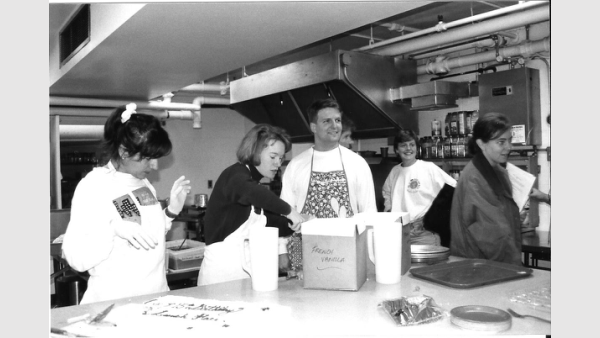
1989: About 60 guests join us regularly for breakfast and lunch. We begin providing material assistance (clothing, health and hygiene products) in addition to meals.
1990: We hire our first Outreach and Support Coordinator, focused on meeting each guest’s individual, specific needs.
1991: Major renovations are completed, facilitating a wider range of services including showers, laundry, and spaces to meet with guests.
1992: A formerly homeless guest is hired as our first WLP Advocate. She provides individualized case management and support with housing, legal, healthcare, safety, and financial concerns.
1993: Women’s Lunch Place now welcomes 100 guests per day.
1996: As demand continues to grow, we add a sixth day of service.
1998: An office is converted into a dedicated space for our advocacy services, as more case managers are added to the team.
2001: We expand our schedule by two additional hours per day, enabling guests to access more of our services. Our Resource Center offers tools for economic empowerment: computers, phones, and space to carry out housing and job search.
2006: Economic empowerment and self-advocacy opportunities grow as our Resource Center expands.
2009: We formalize our programming dedicated to overall guest wellbeing—such as classes, support groups, and opportunities for creative expression.
2013: A $3 million renovation adds new floors for an expanded Resource Center, medical suites, library, offices, and a classroom, while increasing our laundry and shower capacity on our ground floor.
2015: More than 1,300 women receive services at Women’s Lunch Place each year.
2017: Our services now reach more than 1,500 women annually.
2020: In response to the COVID-19 pandemic, we move our operations outside, providing meals and advocacy services in the open air. During the lockdown, we provide curbside meals and Advocacy outreach, a Mobile Food Pantry, Community Meals Program, PPE, remote laundry, and technology for isolated guests.
We also launch an innovative new Housing Stabilization program.
2021: More than 1,800 women receive services at Women’s Lunch Place as a new strategic plan sharpens our focus on addressing barriers women experience in housing, healthcare, and mental health services.
The plan launches a comprehensive healthcare program capable of delivering medical services including primary care within our trauma-informed, women-focused environment.
2022: Our new Takeaway Dinner program offers a third daily meal to women who rely on WLP as their primary source of hunger relief.
We also expand our health and wellness groups, with a particular focus on addiction recovery including smoking cessation.
2023: A full-time, dedicated attorney joins our team, focused on complex issues related to eviction prevention, employment, and domestic violence.
We strengthen the impact of our mental healthcare services by adding a Behavioral Health and Stabilization Clinician and part-time Psychiatrist.
In recognition of our comprehensive approach to guests’ medical needs, CEO Jennifer Hanlon Wigon is honored by the Boston Business Journal for their inaugural Innovators in Healthcare award.
2024: Through a grant from the Commonwealth of Massachusetts, we launch a 50-bed overnight shelter-to-housing program. Guests are assigned to their own individual rooms, with shared kitchen, dining, living room, and bathroom facilities. Extensive and individualized advocacy services promote the goal of moving into permanent housing.
2025: Additional funding from the City of Boston, the Commonwealth, and philanthropic supporters enable us to extend and expand our overnight shelter to serve 65 women.