Housing & Stabilization
Every woman deserves a place of her own.
Intensive services facilitate each woman’s transition into safe, stable housing.
FIND HELP | GIVE TO SUPPORT WLP
Women’s Lunch Place supports each woman’s transition out of homelessness by facilitating her journey to safe shelter, and from there to a permanent, dignified place to live.
From her own room to her own home
Life on the streets and in crowded overnight shelters is chaotic and destabilizing. Before a woman can move forward, she needs a safe space and compassionate, expert support.
Women’s Lunch Place operates a 65-bed overnight shelter where each woman has her own private room, nutritious meals, and intensive individualized case management. Finally able to get her footing, each woman can build strength and work toward permanent housing in partnership with our staff. In this way, our overnight shelter provides a pathway to lasting stability for each guest.
SUPPORTING STABILITY ONCE GUESTS BECOME HOUSED
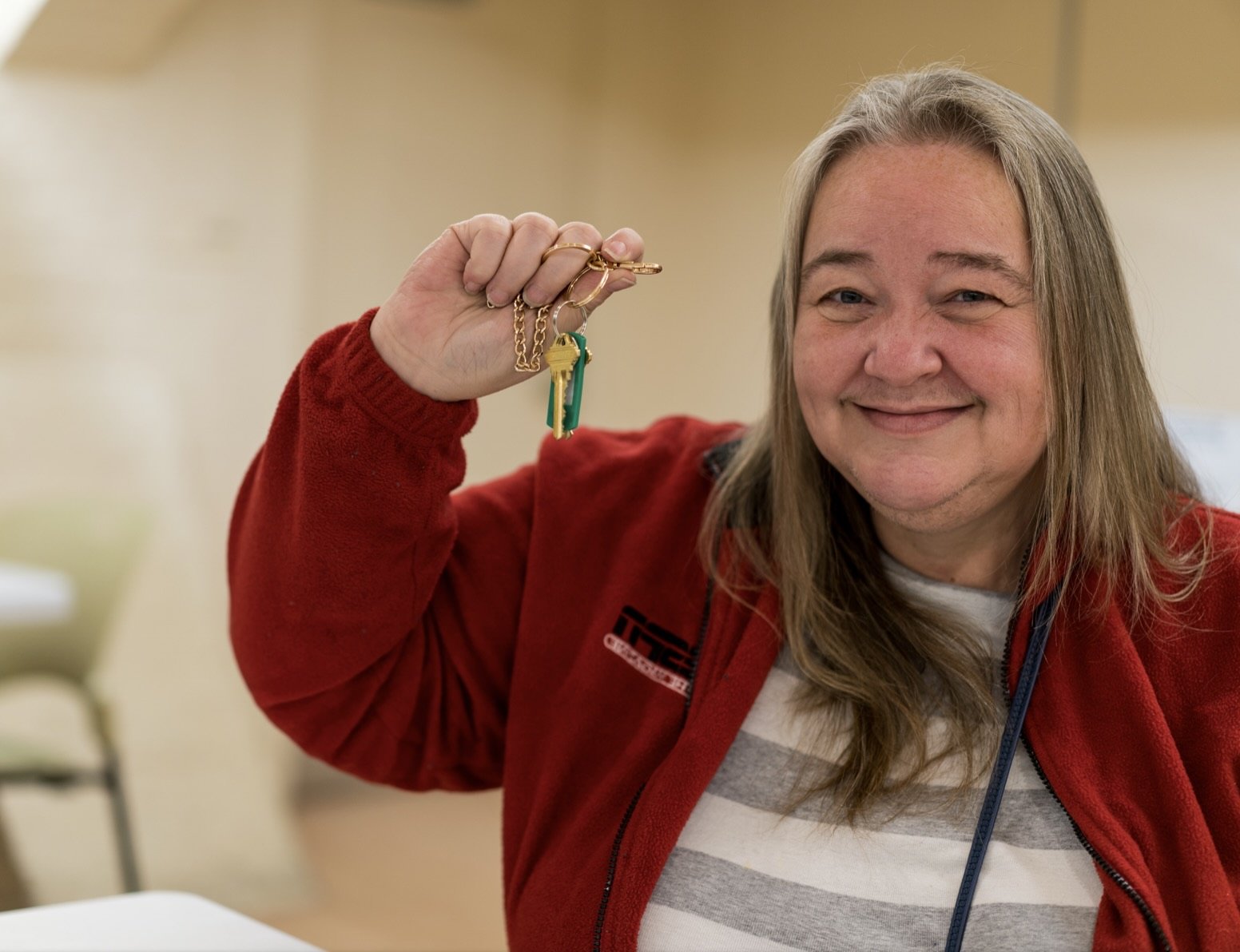
WLP is uncommonly effective as a service provider for women experiencing challenging obstacles to housing success. Our innovative stabilization program focuses on the immediate period after a woman gets the keys to her new home—a time that can be lonely and intimidating after years on the streets or in shelters.
At WLP, stabilization means:
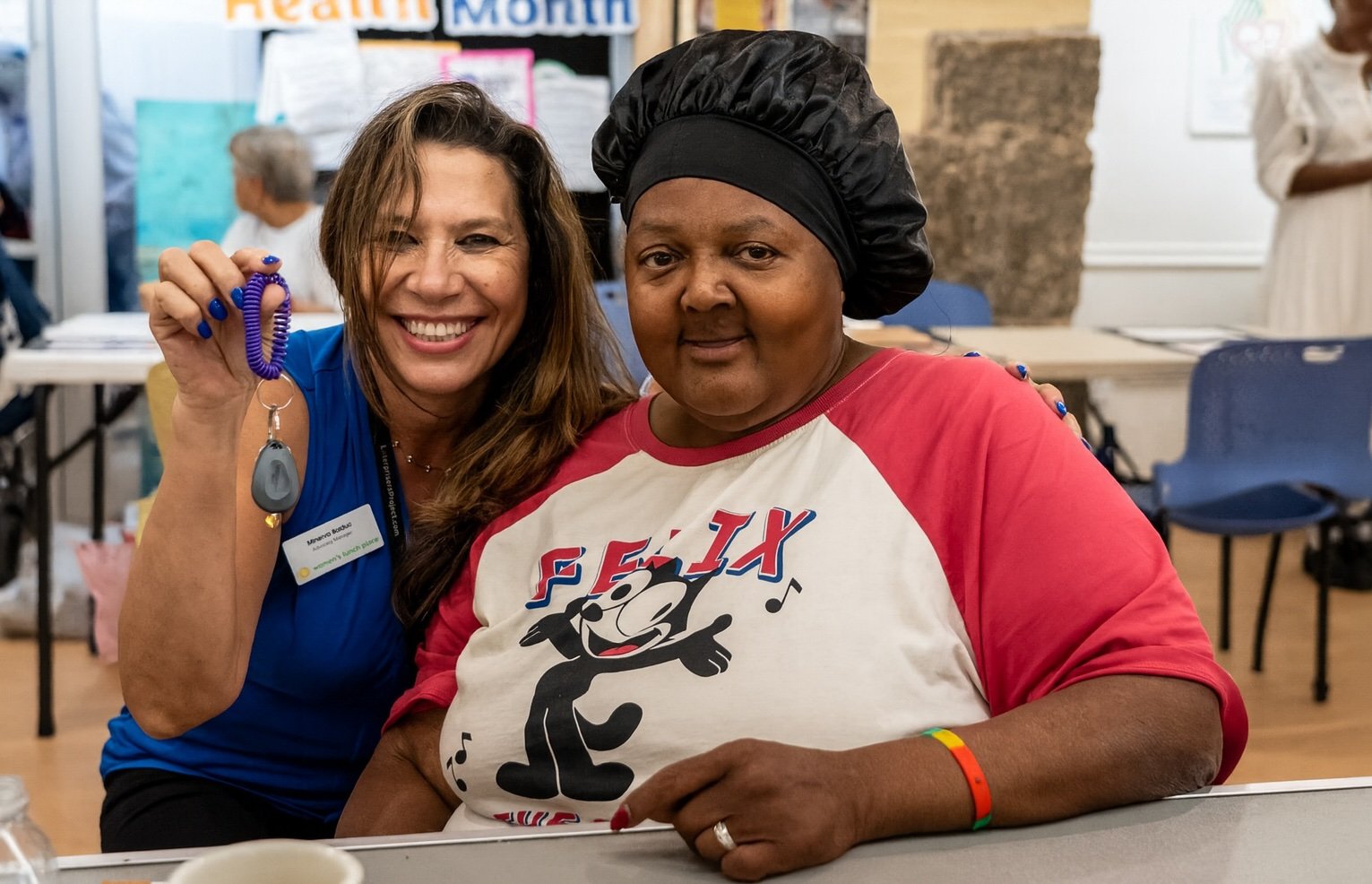
The same WLP advocate who helped you find your home stays with you to make sure the new home is permanent.
WLP makes sure you have furniture, appliances, groceries, and cleaning supplies upon move-in.
Mental health support and regular site visits create a smooth transition.
A full-time attorney ensures protection from predatory landlords and no-fault evictions.
We help each woman engage with her new community—finding local groups and gathering places that fit her unique needs.
Remarkably, more than 95% of the women we have supported with housing stabilization services since 2020 have remained housed.
THE BIGGER PICTURE…
Domestic violence is the leading cause of women's homelessness. And, more than 90% of women experiencing homelessness have also experienced sexual abuse, exploitation, or trauma.
Research has shown that gender-specific housing and services are necessary for women to be able to heal and move out of homelessness. Studies suggest a clear best practice: developing tailored housing solutions that successfully address the unique needs of women.